
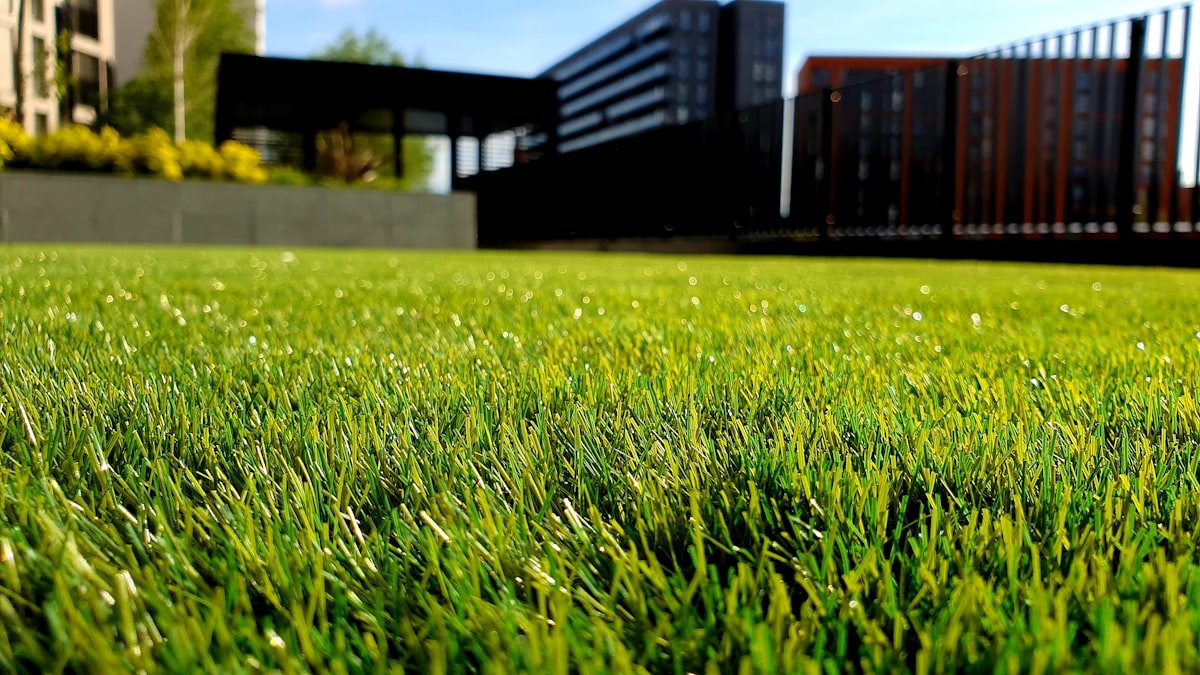
- Installing artificial grass can transform your outdoor space into a lush, green oasis.
- Understanding the process is key to a successful DIY installation.
- Proper preparation and tools are essential for longevity.
- Learn about the lifespan of artificial grass and maintenance tips.
Introduction
Artificial grass has become a popular choice for homeowners seeking a low-maintenance, evergreen lawn. Whether you're tired of mowing, battling with brown patches, or seeking to save water, artificial grass offers a durable and visually appealing solution. This guide will walk you through the step-by-step process of installing artificial grass, ensuring you achieve a professional finish that lasts for years.
Why Choose Artificial Grass?
Artificial grass offers numerous benefits, making it a compelling option for many homeowners. Here are some reasons why you might consider installing it:
- Low Maintenance: No need for watering, mowing, or fertilizing.
- Durability: High-quality artificial turf can withstand heavy foot traffic.
- Aesthetic Appeal: Provides a lush, green appearance year-round.
- Water Conservation: Reduces water usage compared to natural grass.
Tools and Materials You'll Need
Before you begin your installation, gather the necessary tools and materials. Having everything ready will streamline the process and ensure a smoother experience.
Essential Tools
- Shovel
- Rake
- Wheelbarrow
- Utility knife
- Measuring tape
- Hammer
- Broom
Materials Required
- Artificial grass rolls
- Weed barrier fabric
- Sub-base material (such as crushed stone)
- Adhesive or joining tape
- Nails or landscape staples
- Silica sand or rubber infill
Preparing the Ground
One of the most critical steps in the installation process is preparing the ground. Proper preparation ensures a stable foundation for your artificial grass.
Removing Existing Turf
Start by removing the existing turf to a depth of about 2-3 inches. This will make room for the sub-base and allow for proper drainage.
Installing a Weed Barrier
Lay down a weed barrier fabric to prevent weeds from growing through your artificial grass. This step is crucial for maintaining the appearance and integrity of your lawn.
Laying the Sub-Base
A well-prepared sub-base is essential for the longevity and performance of your artificial grass.
Choosing the Right Sub-Base
Opt for a compactible material, such as crushed stone or gravel. This provides a solid foundation and aids in drainage.
Compacting the Sub-Base
Spread the sub-base material evenly across the area and compact it using a plate compactor. Aim for a depth of about 2 inches. This will ensure a stable surface for your artificial grass.
Pro Tip: Use a spirit level to ensure the surface is even and slopes slightly for drainage.
Installing the Artificial Grass
Once the sub-base is prepared, it's time to lay the artificial grass.
Measuring and Cutting
Unroll the artificial grass and lay it over the area. Use a utility knife to trim the edges, ensuring a snug fit around borders and obstacles.
Securing the Grass
Use landscape staples or nails to secure the grass to the ground. Place them every 6 inches along the edges and seams.
Pro Tip: Stretch the grass slightly while securing it to prevent wrinkles.
Seaming and Joining
If your installation area requires multiple pieces of artificial grass, you'll need to seam them together.
Using Adhesive or Joining Tape
Place joining tape under the seams and apply adhesive. Press the edges together firmly for a seamless appearance.
Ensuring a Smooth Finish
Brush the fibers with a broom to lift them and hide any seams. This will give your lawn a natural look.
Adding Infill
Infill is crucial for maintaining the structure of the artificial grass and ensuring comfort underfoot.
Choosing the Right Infill
Silica sand or rubber granules are popular choices. They help the blades stand upright and add weight to the turf.
Applying the Infill
Spread the infill evenly using a drop spreader, then brush the grass to distribute it. Aim for about 1-2 pounds of infill per square foot.
Maintenance and Lifespan
While artificial grass requires minimal maintenance, a few routine tasks can extend its lifespan significantly.
Regular Maintenance
- Brush the grass regularly to keep the fibers upright.
- Rinse the grass occasionally to remove dust and debris.
- Check for and address any signs of wear or damage promptly.
Understanding the Lifespan
The lifespan of artificial grass can range from 10 to 20 years, depending on quality and maintenance. High-traffic areas may require more frequent attention.
Detailed FAQ
How long does artificial grass last?
Artificial grass typically lasts between 10 to 20 years. Quality, usage, and maintenance play significant roles in determining the exact lifespan.
Can I install artificial grass myself?
Yes, DIY methods for artificial grass installation are possible with the right tools and preparation. This guide provides detailed steps to help you succeed.
Is artificial grass environmentally friendly?
While artificial grass conserves water, it is made from synthetic materials. However, many manufacturers are now producing recyclable options to reduce environmental impact.
How do I clean artificial grass?
Regularly rinse the grass with water to remove dust and debris. For pet areas, a mixture of water and mild detergent can be used for deeper cleaning.
Does artificial grass get hot in the sun?
Yes, artificial grass can heat up in direct sunlight. However, infill and shade can help mitigate this effect.
Conclusion
Installing artificial grass can be a rewarding DIY project that enhances the beauty and functionality of your outdoor space. By following this comprehensive guide, you can achieve a professional-looking installation that lasts for years. Remember, proper preparation and regular maintenance are key to maximizing the lifespan and appearance of your artificial grass.
Actionable Takeaways
- Plan and Prepare: Take the time to plan your project and gather all necessary materials and tools.
- Focus on the Foundation: A well-compacted sub-base is crucial for a successful installation.
- Secure and Seam: Ensure all seams are tightly joined for a seamless appearance.
- Regular Maintenance: Keep your artificial grass looking new with regular brushing and cleaning.
By investing in artificial grass, you're choosing a low-maintenance, durable solution that can transform your outdoor living area into a beautiful, green retreat.
